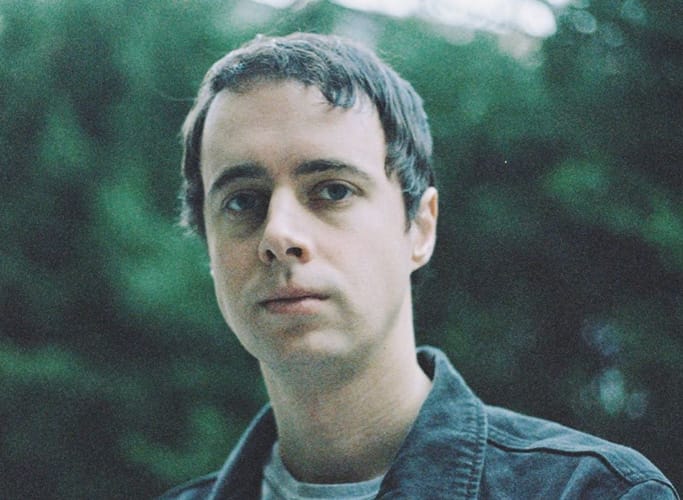
Boy Harsher’s Augustus Muller:
A feeling on repeat with AstroLab and V Collection
オーガスタス・ミュラーの音楽は、反復によって力強さを増している。前面に出たベースライン、切れ味鋭いドラムパターン、アレンジ全体をまとめ上げるまで形作られたシンセサイザーなどだ。ボーカリストのジェイ・マシューズとともにBoy Harsherとして活動するこのアメリカ人プロデューサー兼コンポーザーは、現代ダークウェイヴにおいて独自のサウンドを確立し、映画『ザ・ランナー』や『マイ・アニマル』の音楽でその活動範囲を広げている。クーパー・B・ハンディとのコラボレーションによるSafe Mindでは、長年探求してきたサウンドにメロディックな即興性と型破りな感性をもたらし、ソングライティングの新たな側面を垣間見ることができる。
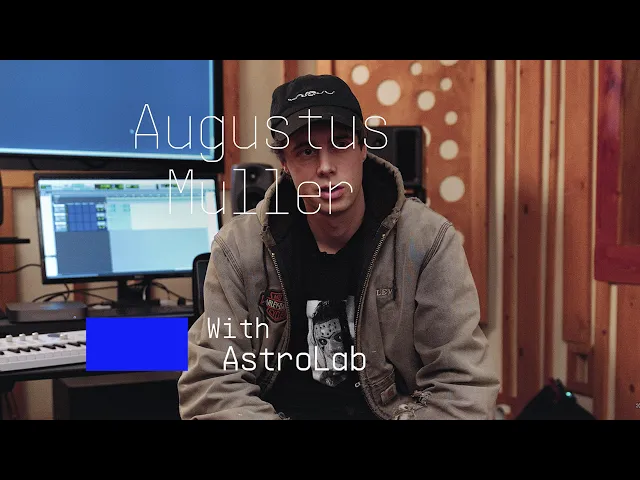
私たちはオーガスタスを迎え、彼の探求の始まりや、自身の音楽制作の背後にあるコラボレーション、そしてレコーディング作品をステージで再現するという実践的なプロセスについて話を伺いました。Boy Harsherでおなじみのサウンドや、Safe Mindの楽曲、さらにはツアー先で生まれたアイディアなどを通じて、彼がどのようにAstroLabやV Collectionを活用し、自身の音楽が形作られるさまざまな環境をつなぎ合わせているのかを紐解いていきます。
瞬時のつながり
オーガスタスは、自分なりのやり方で音楽を作り始めた。16歳か17歳の頃、彼は学校の音楽室からシンセサイザーを借りて持ち帰り、ドローンサウンドを作るようになった。週末には仕事から帰ると、演奏をしてはカセットテープに録音した。周囲の友人たちがバンドを組んでいく中、彼自身は楽器を通して世界とつながっていた。ひとつの音を鳴らし続け、フィルターのカットオフを操作しながら、指先の下で音がどのように変化していくのかを確かめていたのだ。
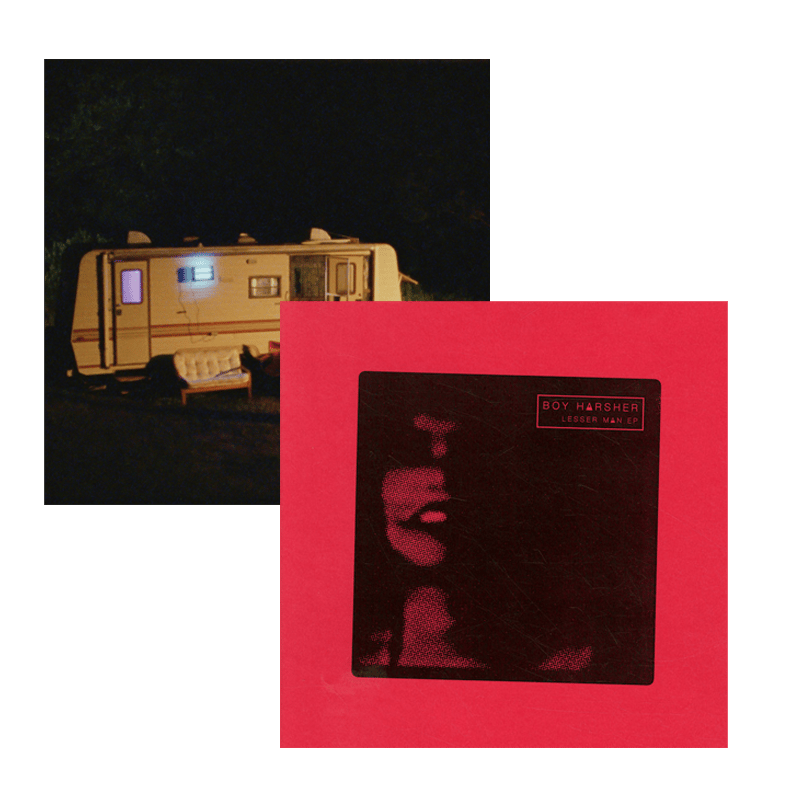
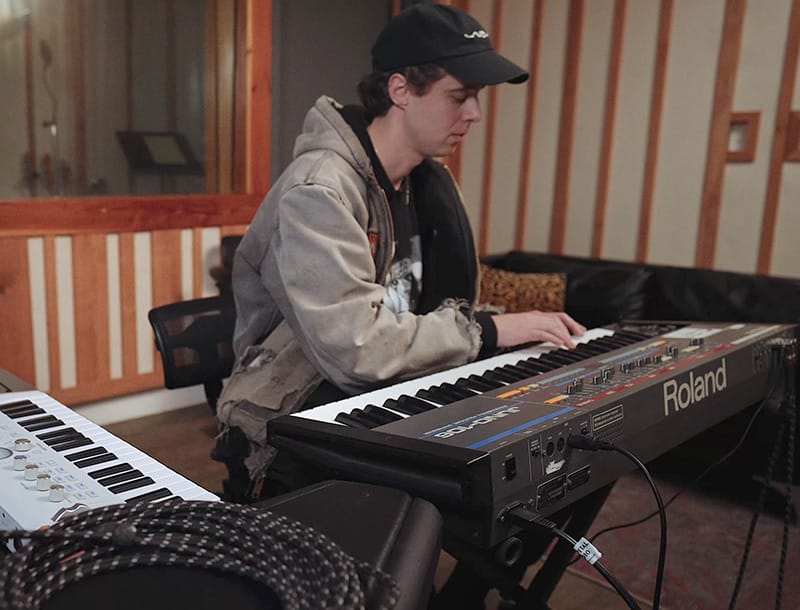
その後、借り物のJuno-106が、その探究心をさらに後押しすることとなった。ボイスチップが欠けていたり、鍵盤が壊れていたりしていたものの、その直感的なレイアウトのおかげで、彼は信号の流れを理解することができた。MC-505と並び、このJuno-106は、Boy HarsherのデビューEP「Lesser Man」の制作を支えたささやかな機材コレクションの一部となった。
In the demo, he returns to the bassline from “Pain,” listening to the plucked quality of the sound, its slight detuning and the noise of the chorus. He remembers spending hours adjusting it. A part that repeats for seven minutes asks for a particular kind of attention. Over that duration, small changes begin to carry the arrangement.
彼の判断の指針となっているのは、今もなお「反復」である。彼の音楽の多くは4小節や8小節から始まり、彼自身が2時間もの間夢中になって聴き続けられるようなループが見つかれば、それは追求する価値があるものだという証になる。制作へのアプローチも、それと同様に極めて直接的だ。彼はAbletonを立ち上げると、何かしら作り始め、そのアイディアを追いかけていく。手元にある楽器を使い、その日自分が体験していることを形にしていくのである。
For me, I feel like I’ve been trying to make the same song. I’ve been trying to make the same film for the last twenty years, and I haven’t done that yet, and I’m still completely content trying to do that. So with Boy Harsher, we sit down and we’re trying to make something, and we’re still trying to achieve that same goal.
Finding the voice
Meeting Jae turned Muller’s personal approach into a shared musical practice. Their partnership gives Boy Harsher its particular interaction between voice and electronics, with arrangements developing around her presence and different aspects of his production finding their expression through collaboration.
LUCY名義でも活動するクーバー・B・ハンディは、また異なる感性をもたらした。二人のコラボレーションは、2022年にリリースされた『The Runner』収録の「Autonomy」から始まった。このセッションを通じて、彼らはさらに探求を深めたいと思えるような相性の良さを実感し、その後も共に音楽制作を続けた。Safe Mindのデビューアルバム『Cutting the Stone』は、2025年7月にNude Clubからリリースされた。
オーガスタスは、クーパーとの共同作業を通じて探求することができた、自身の音楽の「より軽やかな側面」について語っている。楽曲が積み重なるにつれて、このプロジェクトは、二人が共有するサウンドやテーマ、そして直感の中に、その独自のアイデンティティを見出していった。
Boy Harsherとクーパーは、映画『ザ・ランナー』のために「Autonomy」という曲を共同制作したんだけど、その時、なにか大きな可能性の入口に触れたような感覚があった。あの曲に込めた感情には、非常に生々しく、本能に訴えかけるようなものがあった。そこで、そのまま一緒に音楽を作り続けることにした。それはごく自然な流れで、二人とも同じような直感を持っていたし、同じようなサウンドやテーマに惹かれていたんだと思う。そうして、音楽はすごく有機的に発展していったんだ。

V Collection:歴史をその手に
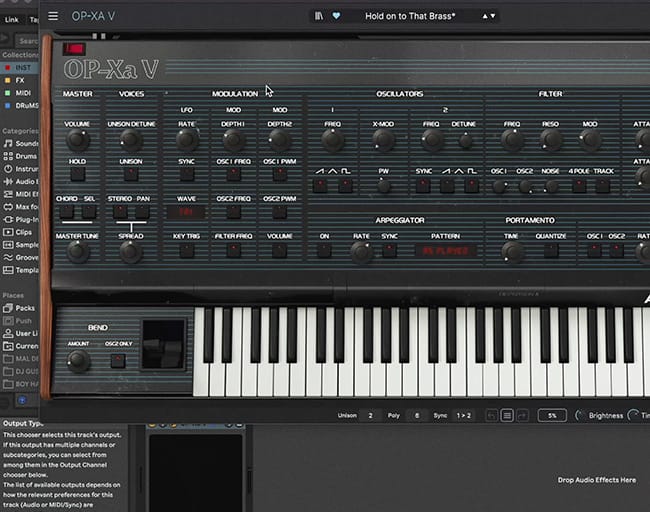
オーガスタスとArturiaとの関係は、アルバム『Yr Body Is Nothing』の制作過程で始まった。彼がAbletonやソフトウェア音源を深く追求していく中で、探求すべき新たなサウンドをもたらしたのがJup-8 Vだった。彼は実機のJupiter-8を演奏した経験がなかったため、このプラグインとの関係は、そのプラグインが持つ独自の可能性を通じて築かれていった。「Keep Driving」で聴かれる重苦しいドローンサウンドは、そうした探求から生まれた音のひとつだ。
That openness sits alongside a lasting interest in older instruments. The MC-505 introduced him to a much wider range of synth sounds, with presets that reflected different instruments and moments in dance music. Exploring them helped him recognize what he liked, and preset browsing remains a substantial part of his studio practice. Some days are spent working through the library of a newly acquired synth, discovering what it is made of.
V Collectionは、それぞれまったく異なる歴史を持つ楽器群を網羅している。彼のセットアップには、実機のOberheimと並んでOP-Xa Vが組み込まれており、CMI Vを使えばオーケストラヒットや往年のパーカッション、さらにはジャネット・ジャクソンを彷彿とさせるパンフルートといった、Fiarlightの象徴的なサウンドにアクセスできる。こうした音楽的リファレンスは、彼が普段音楽を聴く際にも常に息づいている。オーガスタスとクーパーは、公演の合間の移動中、繰り返し『Rhythm Nation』を聴いていたと語っており、それがSafe Mindを制作する上でのインスピレーション源となった。
オーガスタスにとって、サウンドを見つけ出し、それを保存することは、一種のコラージュとなる。彼はプリセットに内在する連想を手がかりにしつつ、それとは異なる文脈を自身の音楽の中に見出していくのである。
「アナログの暖かみ」という概念は、正直あまり信じていない。むしろ、間違った言い方じゃないかとさえ思う。デジタルでもアナログでも、素晴らしいサウンドは作れるはずだから。Arturia製品の素晴らしいところは、過去の名機の数々を網羅している点。ライブラリーの充実ぶりは圧巻だよね。EnsoniqやOberheim、それにRolandの製品までそろっている。まさに、そこに身を置いていたいと思える世界がそこにあるんだ。
移動の合間に作曲
Having those instruments to hand within a mobile setup has changed when Augustus can write. Before working extensively with V Collection, he rarely sketched music on tour. Now the periods between shows can become part of a song’s development, with the same sounds waiting when he returns to the studio.
Boy Harsherの楽曲のひとつは、ニューヨークとマサチューセッツを行き来する移動の最中に制作が始まった。アムトラックでの4時間半に及ぶ旅路は、彼にとって、移りゆく車窓の風景を眺めながら音楽制作に取り組む時間となった。彼は2時間を費やしてMiniFreak V上で4小節のフレーズを練り上げ、そのシンセラインが楽曲の核となった。
The track continued through a studio session in Texas, where analog instruments could be layered with or tested against the software parts, before being finished in Italy. Augustus describes an arrangement containing ten or fifteen instruments, including hardware, plugins and samples. Each stage became a chance to decide which version of a sound belonged in the song. Sometimes replacing a software part with hardware gave him something he wanted; sometimes the plugin was already the better fit.
プラグインは最高だよ。だって、誰かのアパートに行くときに、40台ものシンセサイザーを (プラグインという形で) 持ち込めるんだから。これって、すごく助かるよね。
AstroLab: Bringing the record onstage
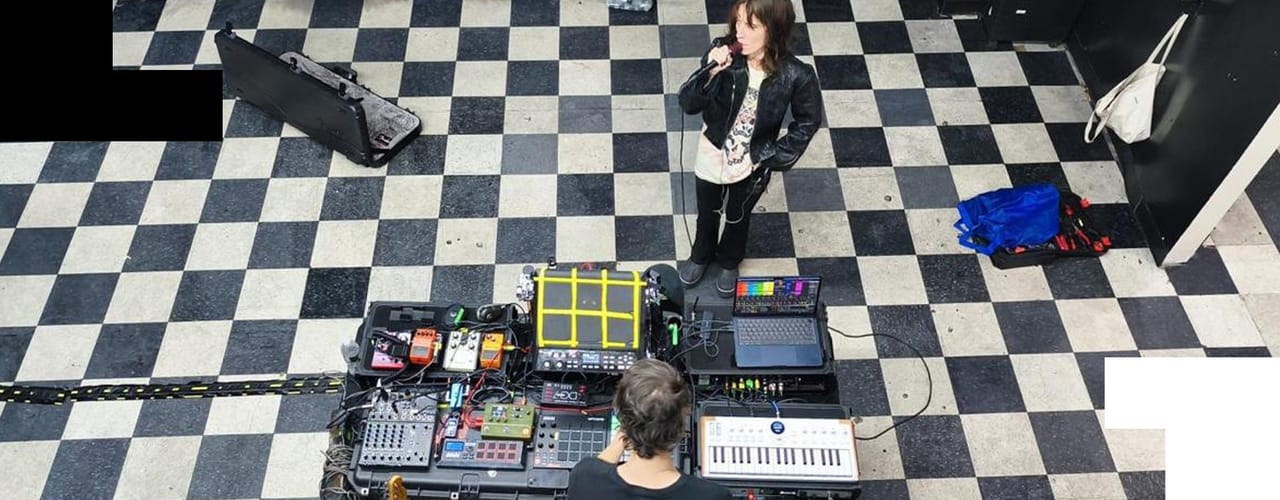
Preparing the Safe Mind live set raised a different set of questions. The record had developed over three or four years, drawing on instruments used in several places. Augustus needed to decide which parts to play and how to gather those sounds within a setup he could take on tour.
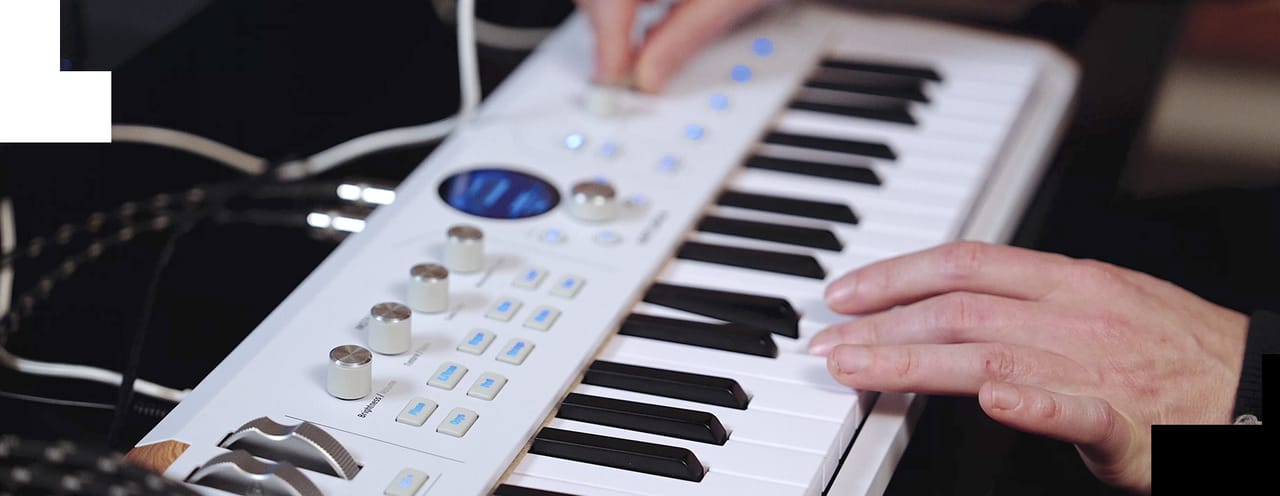
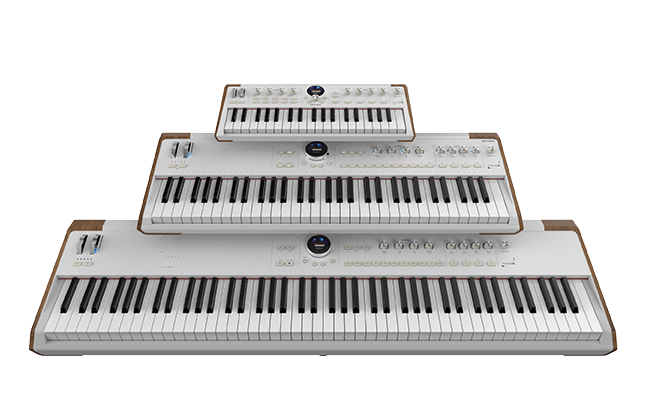
Previously, he sampled his synths note by note, cut up the recordings and arranged them across a sampler keyboard. Each instrument could take two days to prepare, and once the notes were mapped, the sound stayed fixed. AstroLab allows him to perform with compatible Arturia instrument presets while retaining access to synthesis and performance controls. Sounds prepared in software can be transferred and organized through Analog Lab, with their macros and effects available from the keyboard.
彼は「Pain」というベース音色を例に、そのプロセスを実演します。Juno-106からJun-6 Vへと移行する際、彼は馴染みのあるレイアウトを見つけ、調整を加えて「Pain Bass」という名前でプリセットを保存します。続いて、それをAstroLabに取り込み、プレイリストに追加します。フィルター・カットオフはあらかじめフロントパネルのコントロールに割り当てられており、ライブ中に調整したくなるような操作が、すぐに手の届く範囲で行えるようになっています。
もうひとつの例として、Safe Mindの初期のビートが挙げられる。オリジナルのシンセラインはOB-6で作成したものだが、オーガスタスはそのパッチを紛失していた。そこで彼は、レコーディング済みのパートを聴き直しながら、Oberheimのソフトウェア音源でその音のキャラクターを再構築し、AstroLabで演奏可能なサウンドに仕上げた。プリセットを出発点とし、耳で確認しながら調整を重ねることで、彼が記憶しているサウンドへと近づけていった。
In both cases, the aim is to carry the identity of a recorded sound into a performance without fixing it in place. The part remains recognizable, but it also becomes playable and open to change.
I used to sample them all, cut them all up into notes and then lay them out on a sampler keyboard. But now you actually have the synthesis. I’m going from show to show, I want to make a tweak on that patch, I can do that. I want to map something out to the knobs, I can do that. So it just feels like a perfect extension from the analog gear, the plugins, and then now you have the live aspect to that.
ずっと聴き続けたくなるサウンド
Augustus still describes himself as someone making music in his house. Records, film scores and live shows have grown from that daily practice, but he continues to begin at close range: one room, one instrument, an idea repeated until its character becomes clear. Four bars may hold his attention for hours; a beat set aside can reveal its direction when another voice enters.
Boy HarsherやSafe Mindでの活動、そして映画音楽の制作といった仕事の数々において、こうした粘り強く「聴く」という行為は、作曲の手法であると同時に、自身の現状を確かめる手段でもある。彼は、ある音が、それまで言語化できなかった何かを形として浮かび上がらせるまで、その音を向き合い続けるのだ。
私にとって音楽を作ることは重要で、それは一種のエクササイズのようなもの。スタジオに入って機材をいじっていると、音楽というものは、自分が今経験していることをうまく表現してくれる。まるで日記のようなものだ。その日自分がどんな状況にいるのか、あるいは心の中に何があるのか –– そうしたものを、手元にある機材を駆使して形にしようとするんだ。